What That Check Engine Light Is Trying to Tell You
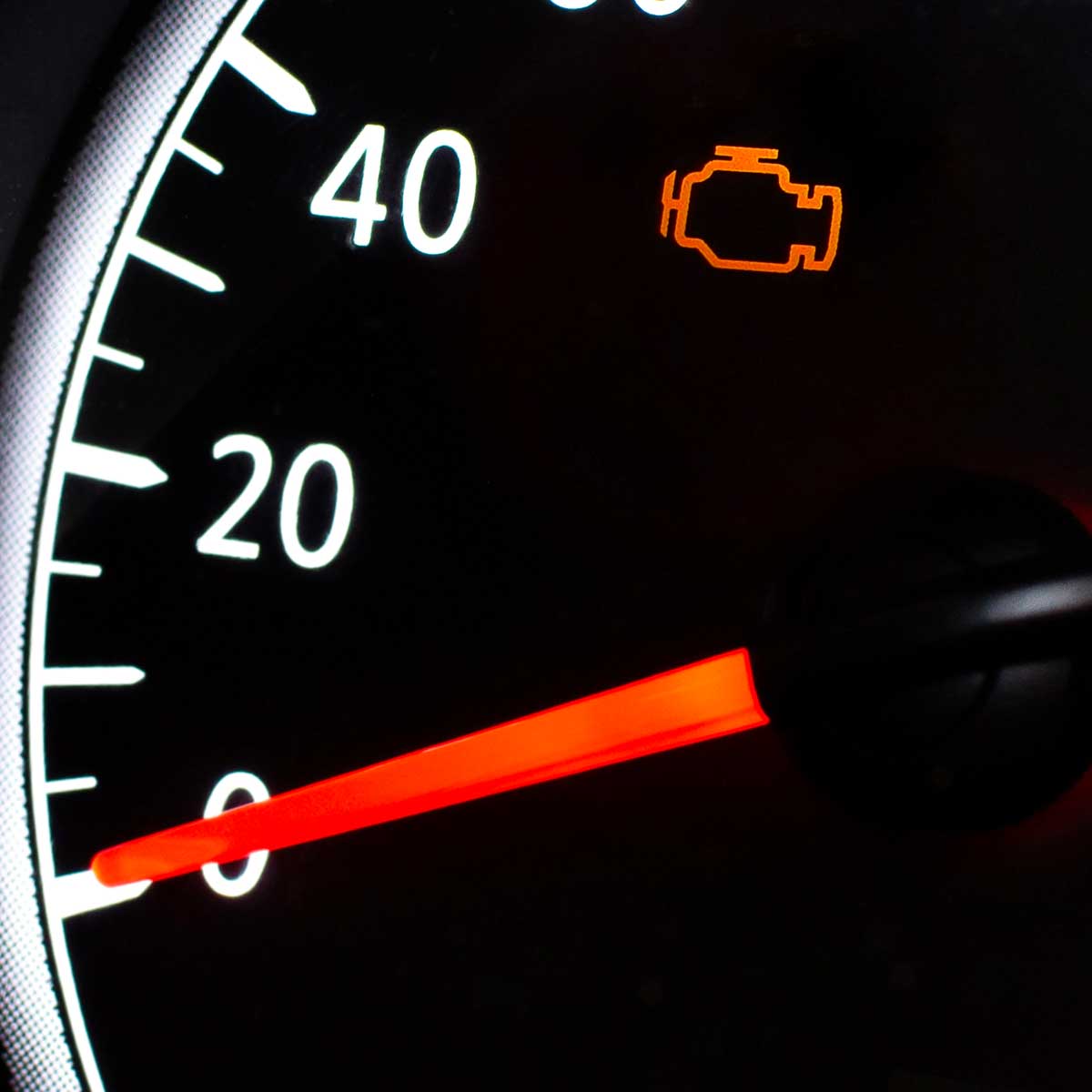
Seeing the check engine light come on can be stressful, especially when you rely on your truck or vehicle every day. The good news is that the light does not always mean a major repair is needed. It does mean the vehicle computer has detected something outside normal operating conditions and it is time to get it checked.
What the check engine light means
Modern vehicles constantly monitor engine and emissions systems using sensors. When the computer detects an issue, it stores a diagnostic trouble code and may turn on the check engine light. Some issues are minor, while others can lead to reduced performance, higher fuel use, or damage if ignored.
Steady light vs. flashing light
Use this quick rule of thumb:
- Steady check engine light
- Often indicates a non-urgent fault, but you should schedule diagnostics soon to avoid bigger problems.
- Flashing check engine light
- Often indicates an active misfire that can damage the catalytic converter. Reduce load, avoid hard acceleration, and get it checked immediately.
Common reasons the light comes on
Below are common categories of issues that can trigger the light:
- Emissions system faults, such as oxygen sensors or EVAP system leaks
- Misfires caused by ignition or fuel delivery problems
- Air intake or vacuum leaks affecting engine fuel trim
- Fuel system issues, including pressure or injector concerns
- Cooling system and temperature related faults
- Sensor or wiring faults that create incorrect readings
What you should do right away
If the vehicle still feels normal and the light is steady, you can usually drive cautiously, but take these steps:
- Check the fuel cap and ensure it is tight
- Pay attention to changes in power, shifting, or temperature
- Avoid heavy loads and hard acceleration until it is inspected
- Schedule diagnostics soon so the problem does not grow
If you notice any of the following, it is best to stop driving and call for help:
- The light is flashing
- The engine is shaking or running rough
- The temperature gauge is rising or you see steam
- You smell fuel or notice a fuel leak
- You hear loud knocking or unusual mechanical noise
Why diagnostics beats guesswork
Many different problems can cause the same symptom. Replacing parts based on assumptions can waste time and money. A proper diagnostic process identifies the stored codes, reviews live data, and confirms the true cause before repairs are recommended.
What to expect at Truck Works
When you bring in your truck or personal vehicle, we start by reading the stored codes and checking system data. If more testing is needed, we perform targeted checks to confirm the failure. Then we explain what we found, provide a clear estimate, and recommend the right fix.
FAQ
Can I keep driving with the check engine light on?
If the light is steady and the vehicle drives normally, you can usually drive cautiously for a short time. If the light is flashing or the vehicle runs rough, get it checked immediately.
Why did my check engine light turn off by itself?
Some faults are intermittent. The light may turn off after a number of normal drive cycles, but the code can remain stored. It is still worth checking so the problem does not return.
Will a code reader tell me exactly what is wrong?
A code points to a system or condition, not always the exact failed part. Proper diagnostics are often needed to confirm the root cause.
Is it safe to ignore the light if the vehicle feels fine?
Not recommended. Small problems can become expensive repairs over time and some faults can affect fuel economy and emissions.
Does a check engine light always mean an emissions problem?
Not always. Many engine and drivability issues can trigger the light, including misfires, sensor faults, or cooling system problems.
What is the difference between a check engine light and a maintenance reminder?
A maintenance reminder is based on mileage or time. A check engine light is triggered by a detected fault in monitored systems.
Will my vehicle pass a smog test if the check engine light is on?
In many cases, no. A lit check engine light can indicate an emissions related fault and may result in a failed test.
How quickly should I schedule diagnostics?
As soon as you can. If the vehicle shows symptoms or the light is flashing, do not wait.
Ready to get it checked?
Fill out the form below and our team will contact you soon to assist with scheduling or service questions. If you prefer, call us at (951) 922-4776.